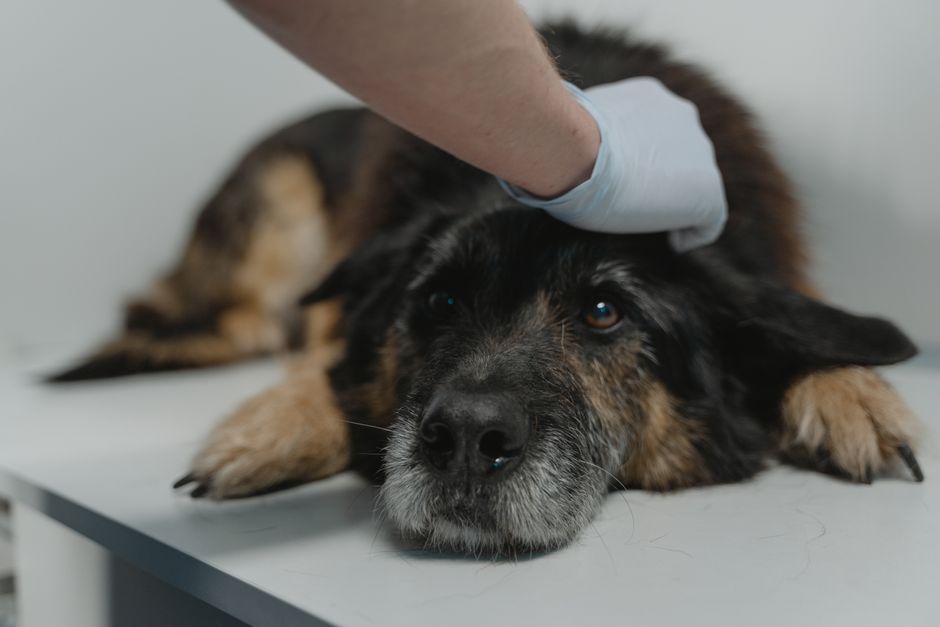

Are Apples Bad for Dogs? Sarasota Vet Explains


Are Apples Bad for Dogs? Sarasota Vet Explains
If you have ever wondered, "Are apples bad for dogs?" you are not alone. Many Sarasota pet owners want to treat their dogs to something sweet and healthy, but knowing which fruits are safe can be confusing. At Sarasota Veterinary Center, we understand how important your pet's wellbeing is. Located at 4019 Cattlemen Rd, Sarasota, FL 34233, our veterinary team often hears questions about safe snacks, especially when it comes to popular fruits like apples. In this blog, we will explain when apples are a healthy choice, what parts you should avoid, and how to offer them safely to your dog. We will also cover signs of trouble and when to reach out for professional help. By the end, you will feel more confident about treating your dog and protecting their health. If you have questions about nutrition for your pet, our veterinary team offers nutrition services and guidance for healthy treats.
Are Apples Bad for Dogs? Understanding the Basics
Most pet owners in Sarasota want to provide their dogs with fresh, wholesome treats. When you ask, "Are apples bad for dogs?" the answer depends on how apples are prepared and served. In general, apples can be a safe and tasty snack for many dogs when given in moderation and with the right precautions. Apples provide vitamin C, dietary fiber, and a satisfying crunch that many dogs enjoy. However, some parts of the apple and certain serving methods can pose risks. Understanding these factors helps you make informed choices about what is best for your dog’s health.
Recognizing When Apple Treats Could Be a Problem for Your Dog
As a pet owner, it is important to spot signs that a treat is not agreeing with your dog. While many dogs tolerate small pieces of apple well, some may develop digestive upset or other problems. Key symptoms to watch for include vomiting, diarrhea, drooling, or obvious discomfort after eating apples. Additionally, if your dog ingests apple seeds or the apple core, watch for signs such as abdominal pain, restlessness, or difficulty breathing. These symptoms could signal a blockage or even mild cyanide toxicity from the seeds, although a small accidental amount rarely causes severe illness. Pay attention to how your dog reacts to new foods and always introduce apple treats slowly. If your dog has a history of food allergies or a sensitive stomach, consult with our veterinary team before adding apples or other new treats to their diet.
Why Some Parts of Apples Are Unsafe for Dogs
Apples themselves are not toxic to dogs when served properly, but certain parts can present risks. The seeds contain amygdalin, a compound that breaks down into cyanide in the body. While a few seeds are unlikely to cause harm, regularly allowing your dog to eat apple seeds could lead to health issues over time. The apple core is another concern, as its tough texture and small size can create a choking hazard or become lodged in the digestive tract. Apple stems should also be avoided for the same reasons. Additionally, apple products such as pie fillings or applesauce often contain added sugars, spices, or xylitol, which can be dangerous or even life-threatening for dogs. Always stick to fresh, plain apple slices and avoid offering your dog any apple-based foods made for people.
Safe Ways to Offer Apples to Your Dog
Feeding apples to your dog safely starts with preparation. First, wash the apple thoroughly to remove any pesticide residues. Next, slice the apple into bite-sized pieces and remove the core, seeds, and stem. Offer a few small pieces to observe your dog’s reaction, as some dogs may be more sensitive to new foods. Apples can be served fresh, chilled, or even lightly steamed for pets with dental issues. If your dog enjoys the flavor, apple slices can make a fun, low-calorie training reward. Remember, moderation is key. Too much apple can upset your dog’s stomach due to the fiber and natural sugar content. If you are unsure how apples fit into your dog’s overall diet, our nutrition services can help you create a balanced plan for your pet’s unique needs.
Should Puppies, Seniors, or Dogs with Health Issues Eat Apples?
Every dog is different, and some have special dietary considerations. Puppies and senior dogs often have more sensitive digestive systems, so it is best to introduce apples gradually and observe for any signs of discomfort. Dogs with diabetes or weight concerns should only have apples in very small amounts, as the sugar content—while natural—can affect blood sugar levels. If your dog is on a prescription diet or has a chronic health problem, always check with your veterinarian before adding apples or any new treat. Our veterinary professionals can advise you on the safest treat options for every life stage and health condition.
Preventing Apple-Related Problems at Home
Keeping your dog safe around apples is easy with a few practical steps. Always store apples and other produce out of your dog’s reach to prevent unsupervised snacking. Teach children and visitors not to share apple cores or seeds with your pet. If you have apple trees in your yard, pick up fallen fruit to reduce the temptation for your dog to eat apples on their own. When preparing apples for snacks or recipes, set aside a few plain slices for your dog before adding sugar or spices. These habits help you offer healthy treats while minimizing risks.
When to Seek Veterinary Care for Apple Ingestion
Most of the time, a dog who eats a small piece of apple without seeds or core will be just fine. However, there are situations when you should contact a veterinarian right away. If your dog eats a large number of apple seeds or an entire core, monitor them closely for several hours. Immediate signs that require veterinary attention include vomiting that does not resolve, repeated episodes of diarrhea, signs of choking, difficulty breathing, sudden weakness, or collapse. If you are concerned or notice any unusual symptoms, schedule an appointment with our veterinary team at Sarasota Veterinary Center. Quick action can prevent complications and give you peace of mind. If your dog has consumed something questionable and you are unsure what to do, our team is always here to help guide you in making the best decision for your pet’s health.
Are Apples Bad for Dogs in Sarasota? Local Tips and Considerations
Living in Sarasota, you may find apples more readily available in your kitchen or at local markets. The warm climate means dogs often need extra hydration, so it is important to remember that apples are a treat, not a replacement for fresh water or a balanced diet. Some dogs are more active during the cooler mornings and evenings, making them more likely to search for dropped food or snacks left outdoors. If you take your dog on local walks or to pet-friendly events, keep an eye out for discarded apple cores or fruit on the ground. Being mindful of these local factors helps keep your dog safe while enjoying life in Sarasota and surrounding communities.
Takeaways: Safe Snacking for a Healthy, Happy Dog
Apples can be a delicious and healthy treat for most dogs when served correctly. The answer to "Are apples bad for dogs?" is that apples are safe in moderation, as long as you avoid seeds, cores, and added sugars. Always introduce new foods slowly, watch for signs of digestive upset, and consult your veterinarian if you have any concerns. If you are searching for a "vet near me" to discuss your dog’s diet or want professional advice on the best treats, Sarasota Veterinary Center is here to help. To schedule an appointment, call (866) 498-2945 or visit us at 4019 Cattlemen Rd, Sarasota, FL 34233. Our veterinary professionals are committed to supporting your pet’s health and your peace of mind. For additional guidance on healthy diets and treat options, explore our veterinary nutrition services and let us help you keep your dog happy and healthy for years to come.
This article is intended for informational purposes only and does not replace professional veterinary care. Always consult your veterinarian before making changes to your pet’s diet or if you have concerns about your pet’s health.