
Animal Vaccinations: Protecting Your Pet in Sarasota
Animal Vaccinations: Protecting Your Pet in Sarasota
Keeping your dog or cat healthy in Sarasota’s warm, vibrant climate means taking proactive steps to prevent disease. Among the most important of these steps are animal vaccinations. At Sarasota Veterinary Center, we understand how much your pets mean to you, and we are committed to helping local pet owners make informed decisions about their pets’ long-term health. This blog will explain why animal vaccinations are crucial for Sarasota pets, review the types of vaccines your dog or cat may need, and clarify vaccination schedules tailored to our region’s unique risks. Our veterinary team at 4019 Cattlemen Rd, Sarasota, FL 34233 is here to help you navigate vaccination choices and protect your pet from preventable diseases. Whether your companion is a playful puppy, an adventurous outdoor cat, or a cherished senior, understanding animal vaccinations is one of the best ways to keep them happy, healthy, and safe for years to come.
Recognizing the Importance of Animal Vaccinations for Your Pet
Many pet owners wonder if their dog or cat truly needs every recommended vaccine. The answer is almost always yes, especially in a climate like Sarasota’s where certain diseases flourish year-round. Unvaccinated pets are at risk for serious illnesses that can be life-threatening, expensive to treat, and in some cases, transmissible to humans or other animals in your home. Key symptoms indicating your pet may have contracted a vaccine-preventable disease include fever, lethargy, coughing, sneezing, vomiting, diarrhea, and sudden loss of appetite. For example, a dog exposed to parvovirus may develop severe gastrointestinal symptoms within days, while a cat infected with feline leukemia virus can show subtle signs of weakness or recurring infections over time. Recognizing these warning signs early is important, but prevention through timely animal vaccinations is far safer and more effective.
Why Sarasota’s Climate Makes Vaccination Essential
Sarasota’s subtropical weather, with its mild winters and humid summers, creates an environment where many infectious diseases can thrive. Mosquitoes, which spread heartworm disease, are active for much of the year, and the local wildlife population can harbor rabies and leptospirosis. In addition, the popularity of dog parks, beaches, and outdoor adventures means your pet is more likely to come into contact with other animals or contaminated environments. These factors make it especially important for Sarasota pets to have up-to-date immunizations. Our team at Sarasota Veterinary Center stays informed about local disease trends and tailors vaccination protocols to match the specific risks faced by dogs and cats in our community.
Types of Vaccines for Dogs and Cats
Core and Non-Core Vaccines
Veterinarians generally divide animal vaccinations into two categories: core and non-core. Core vaccines are considered essential for all pets due to the widespread or severe nature of the diseases they prevent. For dogs, core vaccines include protection against rabies, distemper, parvovirus, and adenovirus. For cats, core vaccines protect against rabies, panleukopenia, herpesvirus, and calicivirus. Non-core vaccines are recommended based on your pet’s lifestyle, local environmental risks, and potential exposure. In Sarasota, non-core vaccines such as leptospirosis for dogs or feline leukemia for outdoor cats are often advised. Our vaccination services page has a full overview of what we offer to keep your pet safe.
How Vaccines Work
Vaccines work by safely exposing your pet’s immune system to a small, harmless piece of the virus or bacteria. This exposure “trains” the immune system to recognize and fight off the real disease if your pet is ever exposed in the future. Because every pet is unique, our veterinarians will consider your companion’s age, medical history, and lifestyle when developing a personalized vaccination schedule.
Understanding Vaccination Schedules for Sarasota Pets
Puppy and Kitten Vaccination Timelines
Young animals are especially vulnerable to contagious diseases, so early protection is critical. Puppies and kittens typically begin their series of animal vaccinations at around 6 to 8 weeks of age, followed by booster shots every 3 to 4 weeks until they are about 16 weeks old. This series ensures that their immune systems build strong, lasting defenses against dangerous pathogens. For a detailed look at what to expect for your new family member, our puppy and kitten care information can help guide you through those crucial first months.
Adult and Senior Pet Vaccination Needs
Once your pet has completed their initial vaccine series, they’ll require periodic booster shots to maintain immunity. Most core vaccines are given every 1 to 3 years based on your pet’s risk factors and the vaccine’s duration of protection. Senior pets may need modified vaccination protocols to account for age-related changes in their immune systems. At Sarasota Veterinary Center, we review your pet’s health at each comprehensive exam to ensure their vaccines are up-to-date and appropriate for their age, lifestyle, and overall well-being.
Local Risks: What Diseases Are Prevalent in Sarasota?
Canine Diseases
In Sarasota, the top risks for dogs include parvovirus, distemper, leptospirosis, and rabies. Leptospirosis, spread by wildlife and standing water, is increasingly common in Florida and can infect both pets and people. Rabies remains a serious public health concern, and vaccinating against this deadly virus is required by law for all dogs in Florida.
Feline Diseases
For cats, core diseases to guard against include panleukopenia, feline herpesvirus, calicivirus, and rabies. Outdoor cats or those exposed to unknown animals are also at risk for feline leukemia virus, which can suppress the immune system and increase the risk of other infections. Our veterinarians can help you assess your cat’s risk and recommend the most effective vaccine plan for your household.
What to Expect During Your Pet’s Vaccination Appointment
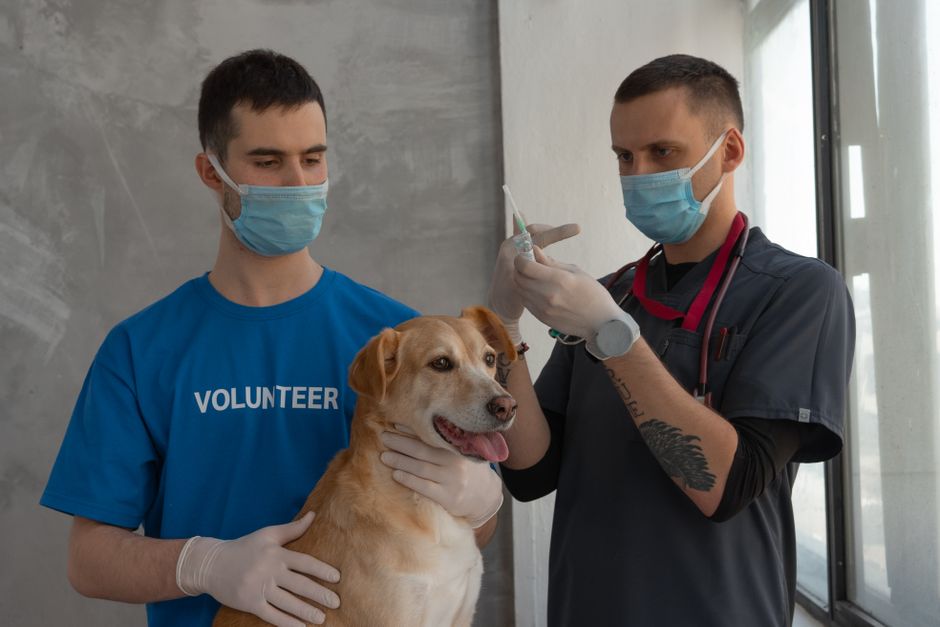
When you schedule an appointment at Sarasota Veterinary Center for animal vaccinations, your pet will receive a full physical assessment. This allows our veterinarians to check for any signs of illness and to determine if your pet is healthy enough for immunization that day. Vaccines are administered using gentle techniques to minimize stress and discomfort. Some pets may experience mild side effects such as soreness at the injection site, slight fever, or temporary fatigue. These side effects usually resolve within a day or two, and our veterinary team will provide guidance on what to watch for at home.
Preventing Disease Beyond Vaccination: Home Care Tips
Vaccines are a vital foundation for disease prevention, but there are additional steps you can take at home to keep your pet healthy. Always provide clean, fresh water and a balanced diet; reduce exposure to wildlife and standing water, especially after heavy rains; and maintain year-round parasite prevention, particularly for heartworms and fleas. Regular grooming, cleaning of bedding, and practicing good hygiene after outdoor activities also help minimize disease risk. Whenever your pet is due for animal vaccinations, it’s a perfect time to discuss other preventive measures with your veterinarian.
When to Seek Veterinary Care for Vaccine-Preventable Diseases
If you notice symptoms such as persistent coughing, vomiting, diarrhea, sudden lethargy, or any neurological changes in your dog or cat, it is important to seek veterinary care right away. These can be early signs of illnesses that animal vaccinations are designed to prevent. Rapid intervention can make a significant difference in your pet’s outcome and may help protect other pets in your home or community. If you are unsure whether your pet’s vaccines are current or if you have questions about specific symptoms, do not hesitate to contact our veterinary team for advice.
Frequently Asked Questions About Animal Vaccinations
Are Vaccines Safe for My Pet?
Modern vaccines are carefully formulated to be both safe and effective. Reactions are rare and usually mild, such as brief soreness or tiredness. Severe reactions are extremely uncommon, and the benefits of vaccination far outweigh the potential risks for almost all pets.
How Do I Know Which Vaccines My Pet Needs?
Our veterinarians will evaluate your pet’s age, lifestyle, medical history, and potential exposure risks to develop a tailored vaccination plan. For example, indoor cats have different risk profiles than adventurous outdoor cats, and small-breed dogs may have different needs than large breeds.
What if My Pet Misses a Booster?
If your pet misses a scheduled vaccine, contact us as soon as possible. Our team can advise whether a simple booster is sufficient or if a restart of the series is needed for full protection.
The Role of Comprehensive Exams in Preventive Care
Vaccines are just one part of a comprehensive preventive care plan. During your pet’s comprehensive exam, our veterinarians will assess your pet’s overall health, check for early signs of disease, and recommend additional screenings such as heartworm testing if appropriate. This whole-pet approach ensures your companion receives the best possible protection and care throughout their life.
Protect Your Pet with Animal Vaccinations at Sarasota Veterinary Center
Animal vaccinations are one of the most effective ways to protect your dog or cat from serious, sometimes fatal diseases in Sarasota’s unique climate. By staying up-to-date with your pet’s vaccines and scheduling regular checkups, you’re making a lifelong investment in their health and comfort. If you are searching for a vet near me who truly understands Sarasota pets and their unique needs, the caring veterinarians at Sarasota Veterinary Center are ready to help.
To schedule your pet’s vaccination appointment or to discuss your pet’s personalized preventive care plan, call us at (941) 377-3031 or visit us at 4019 Cattlemen Rd, Sarasota, FL 34233. Our team is here to answer your questions and provide the expert care your pet deserves. For more information about our vaccination services, visit our vaccination services page. Give your pet the protection they need to thrive in Sarasota and surrounding communities—contact Sarasota Veterinary Center today.